Electrical service
Generator interlocks and transfer switches in DuPage, Kane, Cook and Will Counties
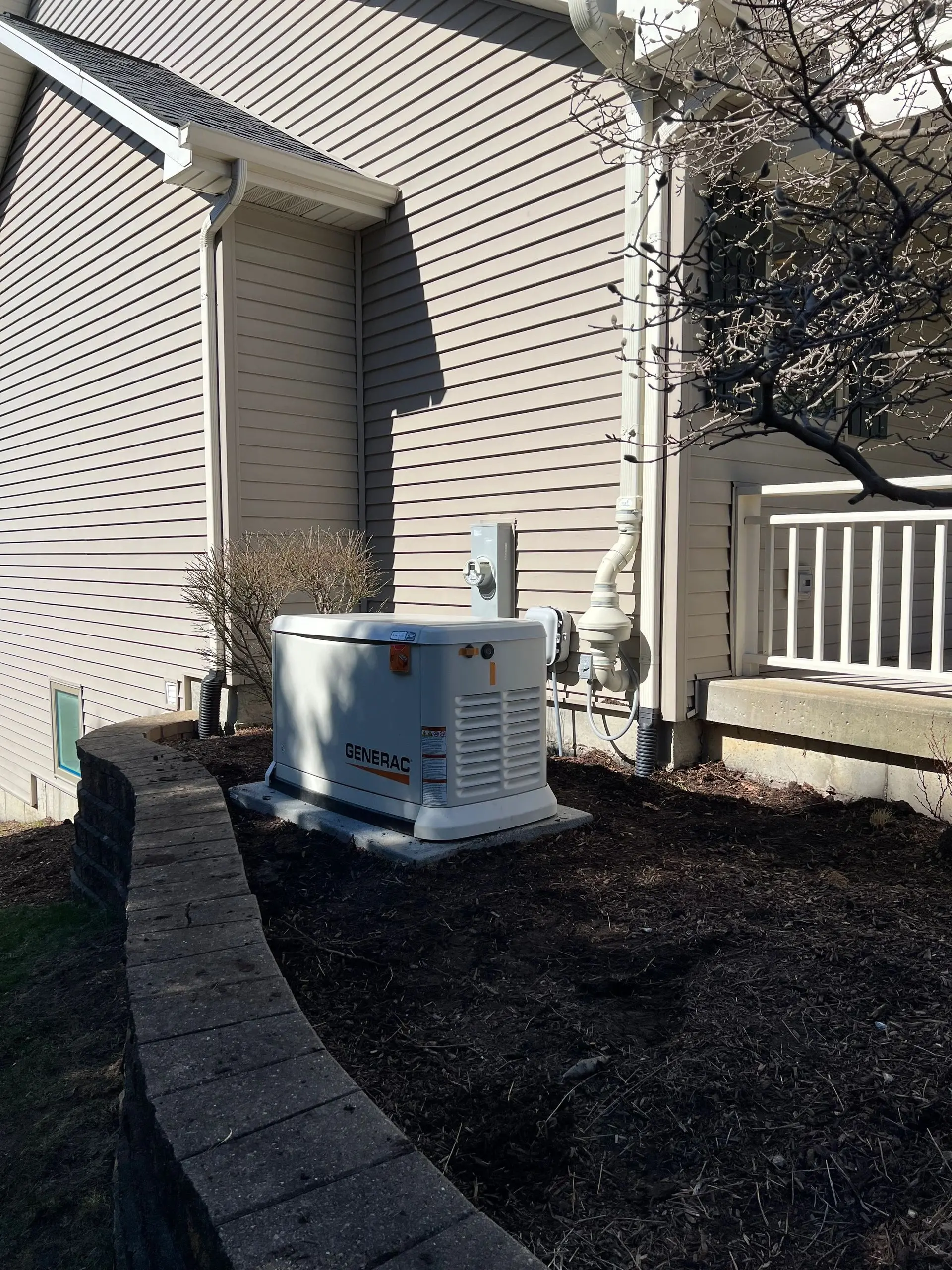
A generator needs a safe way to feed your building's circuits, and that connection is the electrical work. CPB Electric installs generator interlocks and transfer switches and works on backup generator systems for homes and businesses in DuPage, Kane, Cook and Will Counties, so power can come from a generator without touching utility lines.
What generator work does CPB Electric do?
- Generator interlocks
- Transfer switches
- Backup generator and transfer systems for commercial properties
- Panel and circuit changes needed to connect a generator
Interlock, transfer switch or automatic standby: what is the difference?
All three keep generator power and utility power from being connected at the same time. They differ in how much is automatic and how many circuits they cover.
| Option | How it works | Good fit when |
|---|---|---|
| Interlock kit | A mechanical plate on the main panel. You turn off the main breaker before the generator breaker can be switched on | You use a portable generator and want to run many circuits |
| Manual transfer switch | A switch panel that moves chosen circuits between utility and generator power | You want specific circuits, such as the furnace and refrigerator, on the generator |
| Automatic transfer switch | Detects an outage, starts a standby generator and transfers the load | You have a permanent standby generator, or a business that cannot go dark |
Why can't I plug a generator into a wall outlet?
Plugging a generator into a household outlet with a double-ended cord feeds power backward into the wiring. That can energize utility lines and put line workers and neighbors at risk, and it can damage the generator and wiring. A proper interlock or transfer switch is the safe way to connect a generator.
Always run a generator outdoors and away from doors, windows and vents. Never run one in a garage or indoors, because the exhaust contains carbon monoxide.
What size generator do I need?
Add up the running watts of everything you want to power at once, then allow for the higher starting watts of motors such as the furnace blower, the well pump and the air conditioner. An electrician can size the connection and tell you which circuits to put on the generator.
How does a generator connection work?
Decide what must stay on
CPB Electric goes through the circuits and loads you need during an outage.
Choose the connection
An interlock, manual transfer switch or automatic transfer switch is selected to match the generator and the panel.
Install and wire
The interlock or transfer switch is installed and the inlet or generator connection is wired.
Test under load
The system is tested so you know it works before the next outage.
What affects the cost of a generator connection?
Costs depend on how much you want powered and how the generator is connected:
- Interlock, manual transfer switch or automatic transfer switch
- How many circuits are moved to the generator
- Panel capacity, and whether the panel needs changes
- Distance between the panel and the generator inlet or pad
- Permit and inspection fees set by your city
- Fuel connection and the generator itself, which are separate from the electrical work
CPB Electric explains what drives the price on your job. Call (630) 414-6550 to talk it through.
Generator rules in your town
Cities publish their own generator rules. Naperville and Wheaton, for example, both require a permit and an inspection for permanent standby generators, and each has its own rules for who may install them. Check with your city's building department, or ask CPB Electric what applies at your address.
A transfer switch or interlock is wired into the main panel, so older panels may need work first. See our page on panel upgrades.
Frequently asked questions
- What is the difference between a generator interlock and a transfer switch?
- An interlock is a mechanical plate on the main panel that stops the main breaker and the generator breaker from being on together, so a portable generator can power many circuits. A transfer switch moves selected circuits between utility and generator power, and an automatic one does it for you.
- Do I need a permit to install a transfer switch?
- Usually. A transfer switch or interlock is a change to the main electrical panel, and cities such as Naperville and Wheaton require permits and inspections for permanent standby generator work. Permit rules vary by city, so CPB Electric can tell you what applies at your address.
- Can I run a generator in my garage?
- No. Generator exhaust contains carbon monoxide, which can reach deadly levels in a garage even with the door open. Run a generator outdoors and well away from doors, windows and vents, and connect it through a proper interlock or transfer switch.
- Can a business use a backup generator system?
- Yes. Commercial properties use backup generators and automatic transfer systems to keep lighting, refrigeration, registers and equipment running during an outage. CPB Electric works on backup generator and transfer systems for commercial properties.
Related services
- Electrical Panel UpgradesCPB Electric upgrades and replaces electrical service panels, adds sub-panels and dedicated circuits for homes and businesses in DuPage, Kane, Cook and Will Counties, Illinois.Learn more
- Residential ElectricResidential electrical services in DuPage, Kane, Cook and Will Counties, Illinois: lighting, repairs, panel upgrades, EV chargers, safety and code work, and generator hookups from CPB Electric.Learn more
- Commercial ElectricCommercial electrical services in DuPage, Kane, Cook and Will Counties, Illinois: LED lighting retrofits, power distribution, maintenance, build-outs and code compliance from CPB Electric.Learn more

Last updated
Need an electrician? Call CPB Electric.
Tell us what you need done. We handle repairs, lighting, panel upgrades, EV chargers, generators and new construction for homes and businesses.
CPB Electric
7:30 AM - 5:30 PM, closed major holidays